


 By
By 
Virtual reality booming in Switzerland
Virtual reality (VR) is fascinating more and more companies and individuals in Switzerland. Thanks to technological advances in headsets and immersive content, many sectors are embracing this innovation of the future with concrete applications today. Here's an overview of the booming virtual reality phenomenon.
Pioneering sectors adopt VR in Switzerland
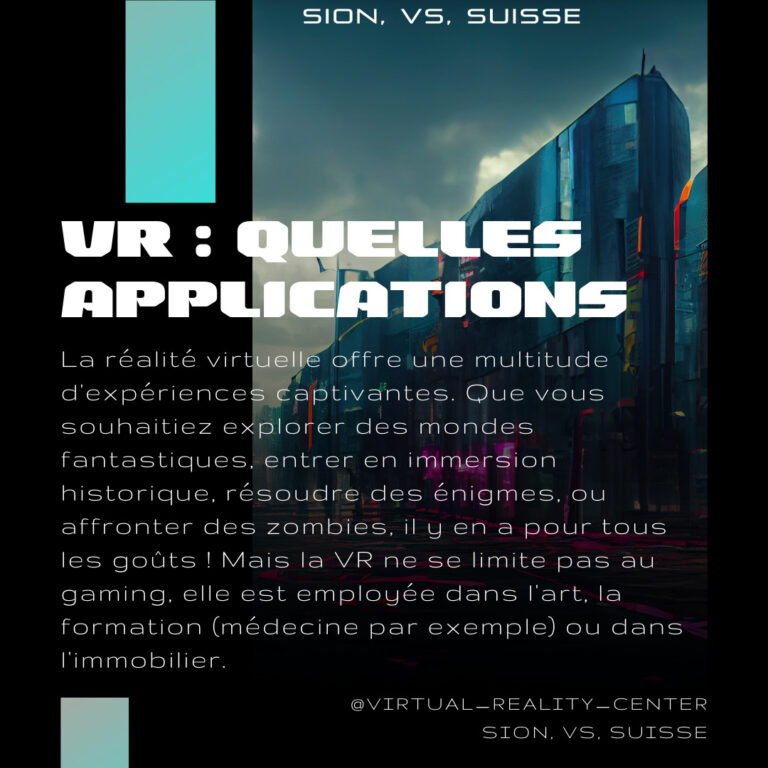
Virtual reality is taking hold in a number of areas in Switzerland, demonstrating its potential for training, 3D design, simulation and marketing.
Among the pioneering sectors, theindustry has been quick to seize on VR to design and test prototypes and production lines virtually. Audi, for example, designs cars in VR and trains its employees in car maintenance by simulating operations.
La health is also exploiting the advantages of this cutting-edge technology. Doctors train for delicate operations on 3D anatomies. VR also helps to relieve patients' pain and treat certain psychological disorders.
L'education is putting virtual reality to a whole host of creative uses, from immersive history lessons and visits to inaccessible places to learning about physics by manipulating molecules.
The shops are using VR for marketing purposes, to present products in an attractive new light. This is the case with interior furniture, which can be viewed to scale in your own home.
VR headsets that are increasingly affordable and high-performance
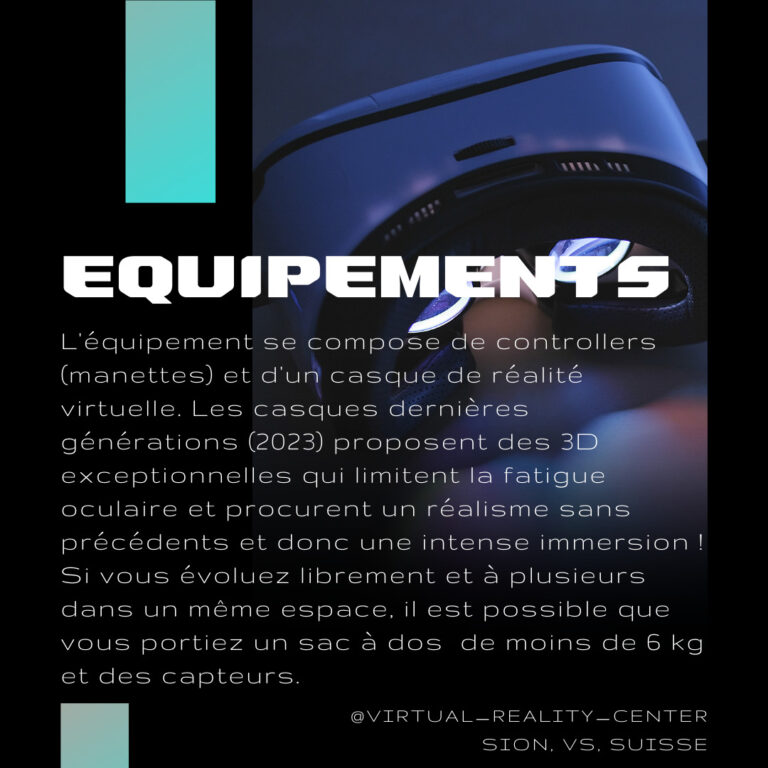
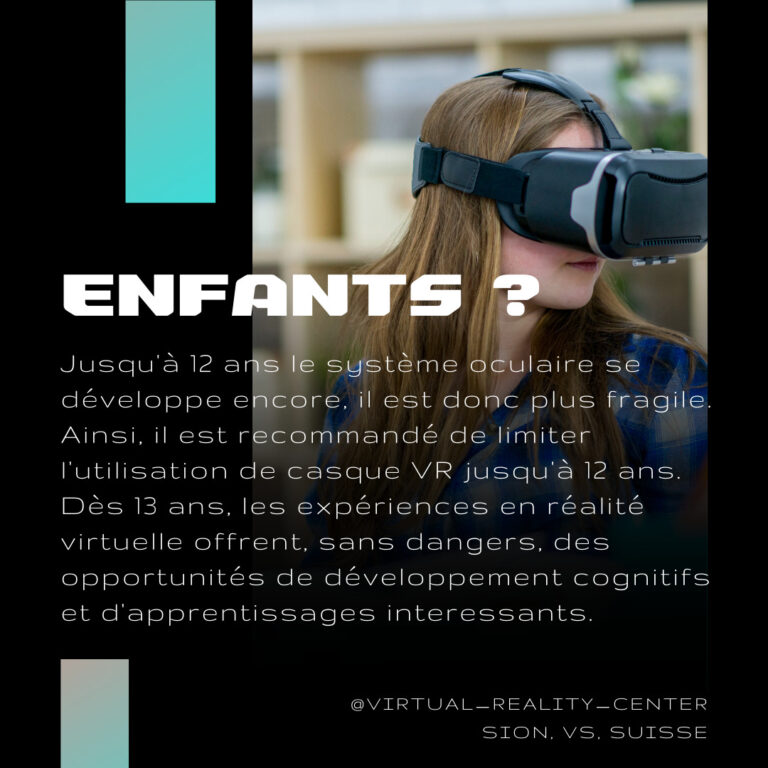
This craze is due to the fact that VR equipment is now more affordable and more advanced. The standalone Oculus Quest 2 VR headset, for example, offers an immersive experience without the need for a smartphone or powerful computer.
With its advanced tracking capabilities, it precisely follows your movements without external sensors. You move and interact in virtual worlds in a realistic way. With a price tag of €450, it's much more affordable than previous models.
Meanwhile, top-of-the-range headsets like the HTC Vive Pro 2 display images of unrivalled quality in ultra-high definition. The wider field of vision and 120Hz refresh rate further enhance the impression of realism. So you can immerse yourself completely in the simulation.
This remarkable performance is the result of constant advances in screens, sensory interfaces and the power of the computers to which headsets are connected. As a result, content is becoming ever more realistic, opening up a whole new range of possible uses.
Swiss studios at the forefront of VR content creation
Alongside advances in hardware, Swiss studios are specialising in the creation of bespoke content optimised for virtual reality. They are creating hyper-realistic immersive experiences that plunge users right into the heart of the action.
The Vaud-based 3D development studio Frima, for example, designs complex simulations for virtual training. The environments generated enable critical situations to be reproduced to test reactions, in a risk-free setting.
Emissive, based in Lausanne, develops rich narrative experiences, as well as serious games, virtual tours and 3D visualisation tools. Its surprising creations for science and culture have won awards.
These specialists master the subtleties of virtual reality, such as the design of natural interactions, for content that is astonishingly realistic. They bring the most creative projects to life by exploiting the unique possibilities of the VR medium.
Growing public interest in this futuristic pastime
These technical advances are also benefiting the general public, who are eager to discover this promising technology. As a result virtual reality centres in Switzerland.
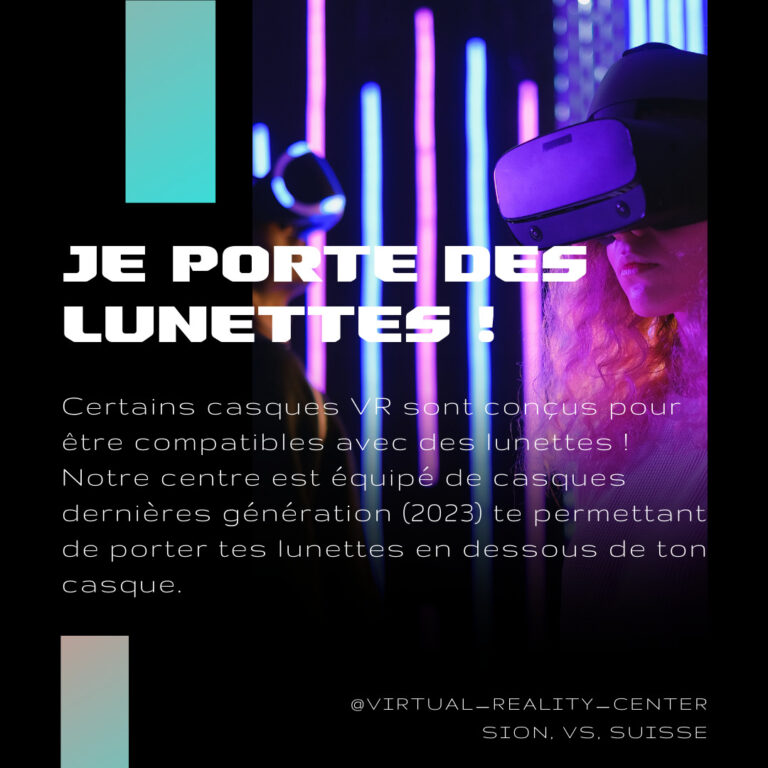
You can try out this immersive gaming experience with friends or family in dedicated areas equipped with the best headsets and content. The VR Room in Sierre, a competitor of market leader VRZURICH, has a 300 m2 multiplayer arena where you can battle it out in fantasy worlds.
Other brands such as IMAX VR Centre and VRLOUNGE18+ have opened in Zurich, offering a variety of content for all audiences. Major cities such as Geneva and Basel are also increasingly offering this new kind of entertainment.
This popular enthusiasm is also reflected in the success of public events focusing on virtual reality. Visit Virtual Switzerland Festival attracts thousands of curious visitors every year to test the latest innovations.
Promising prospects for tomorrow's VR
With 5G on the way and connected headsets becoming ever more powerful, the future of this young industry looks bright. The booming virtual reality market is expected to grow by 41.2% a year, according to Statista, to reach a value of CHF 160 million in Switzerland by 2024.
The areas of application are constantly expanding, from visualising complex scientific data to visiting homes being designed. This technology opens up unprecedented possibilities for leisure activities, training, simulation and remote collaboration.
Switzerland is already a leader in the development of immersive headsets and content. As hardware and content become more accessible and of higher quality, virtual reality is emerging as the breakthrough innovation that will revolutionise many fields in the near future.
Recent Comments